The Medicine Beneath Our Feet
03 Aug 2026
A conversation with herbalist Patricia Kyritsi Howell
Plateau Magazine August-September 2026
Written By: By Ashley Sauerwald | Images: Photos by Pratricia Kyritsi Howell
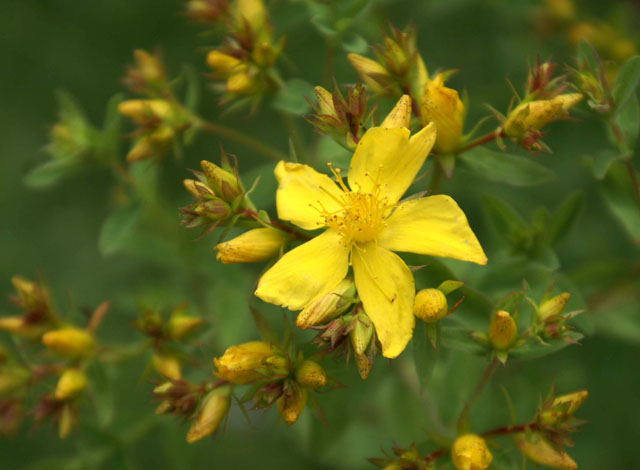
Even as Western medicine has become increasingly institutionalized, there are those who remain committed to older ways, folk practices many today might affectionately refer to as "granny magic.” Drawing on kitchen gardens and foraging skills, devoted herbalists continue to rely on medicinal plants as their first line of defense against illness and injury, while placing their trust in knowledge cultivated through generations of observation, patience, and cultural memory. They tend this knowledge as both inheritance and gift, passing it from one generation to the next so that botanical wisdom—and the values of patience, stewardship, and reverence it fosters—continues to flourish.
Rather than seeking immediate solutions, they embrace the slower rhythms of herbal practice—the seasons of dormancy, growth, and harvest, the deliberate work of tending gardens, gathering wild medicines, drying herbs, and preparing tinctures, teas, salves, and oils by hand. Their work is rooted in ancestral wisdom, ecological awareness, and a deep respect for the verdant landscapes that have sustained communities for centuries. These individuals serve as living bridges between past and present, preserving traditions that might otherwise have been forgotten.
Many have returned to cultivating medicinal gardens, learning to identify native plants, foraging ethically, and rediscovering the healing traditions once commonplace in their families and communities. For some, this renewed interest in heritage skills extends beyond herbalism to food preservation, fermentation, fiber arts, soap making, and homesteading. Along the way, they discover resilience, renewed sense of purpose, and connection to place.
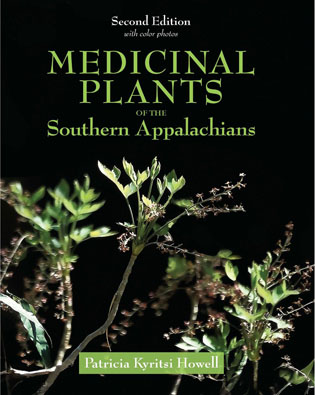
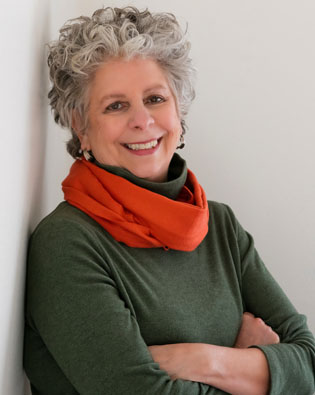
In a conversation with skilled Appalachian herbalist and author of Medicinal Plants of Southern Appalachia, Patricia Kyritsi Howell, we reflect on this enduring relationship between people and plants. Through her experience and insight, we explore what continues to draw people to herbalism and why these practices remain deeply relevant in an increasingly fast-paced world.
One theme that emerged throughout our conversation was Patricia's critique of what she calls the "white coat model” of American medicine. She argued that it encourages patients to defer unquestioningly to medical authorities while limiting their sense of empowerment over their own health.
Our conversation turned to how American society gradually distanced itself from traditional herbal knowledge. Patricia explained that the prosperity following World War II coincided with a growing rejection of herbalism, as folk medicine increasingly came to be associated with poverty. For many who could afford modern medical care, there was little perceived need for the remedies and practices that had sustained previous generations.
Yet this estrangement from plant knowledge did not begin in the twentieth century. We also reflected on the far older and deeper loss brought about through colonization, when indigenous peoples were violently displaced in the name of westward expansion, and generations of ecological understanding, healing traditions, and stewardship of the land were intentionally suppressed or erased. The postwar embrace of institutional medicine, Patricia suggested, built upon a process of forgetting that had already been unfolding for centuries.
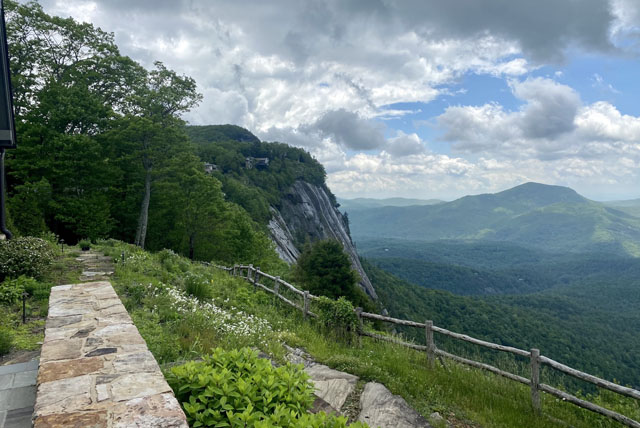
Although Patricia didn't grow up in Appalachia, she has resided in the region for decades. She tells us that settling here was a conscious decision, driven by the area's extraordinary botanical diversity. The region preserves a body of plant knowledge passed down through generations. Thanks to geography and isolation, ancestral herbalism endured longer in the Appalachians than in other parts of the country. Paired with a favorable landscape and climate, we are blessed by a remarkable abundance of medicinal plants. “American herbalism is really rooted in Appalachia,” she says, “It is the apothecary of North America.”
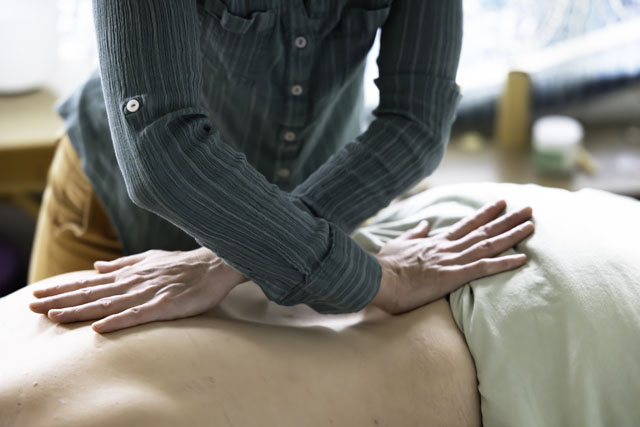
When asked what draws people to herbalism today, Patricia identified three broad groups. The first includes practitioners in adjacent fields, such as massage therapists, who want to incorporate herbal medicine into an established practice. The second consists of home herbalists seeking to care for themselves, their families, and their communities. The third is comprised of people confronting serious health challenges who begin searching for alternatives after conventional treatments have failed to meet their needs. She says many people's interest in herbalism begins with a personal health challenge. After working with plants and experiencing the benefits, they become eager to understand plants more deeply and eventually share that knowledge with others.
Patricia has traveled widely, learning from and teaching alongside plant practitioners across the United States and abroad. A nod to her lineage, among her personal offerings is a spring immersion in Crete, where guests experience an island whose cuisine, culture, and daily rhythms remain deeply intertwined with wild herbs and centuries-old traditions. Whether in Appalachia or Greece, Patricia observes that communities with enduring herbal traditions share a similar relationship to plants—one rooted in daily life rather than abstraction. She says she has found a common thread among herbalists wherever she goes: "We don't regard herbalism as a career; we regard it as a calling—an intense connection to the actual plants that lit the spark and made us take this path." For many, she says, the work feels inseparable from their life’s purpose. "It's part of the reason we were born. We speak on behalf of the plants." For her, herbalism is not simply the study of medicinal plants but a practice grounded in stewardship and reciprocity.
Speaking with Patricia, it is evident that herbalism is about more than remedies or recipes. It is a way of rebuilding relationships to landscapes, seasonal rhythms, and the accumulated knowledge carried within communities. In an era attuned to instant gratification, this slow, intentional relationship with local ecosystems may be precisely what continues to draw people back to plant wisdom.
Building a life in herbalism has required equal measures of conviction, creativity, and entrepreneurship. When Patricia was first carving out her space in the field, many questioned whether herbalism could ever become a viable career. Yet she persisted, guided by a different understanding of her work. "My job is amnesia recovery," she says.
Patricia believes many people carry an intuitive longing to reconnect with the knowledge their ancestors once held. Rather than looking for herbs shipped from distant places, she encourages students to begin with the plants growing just beyond their own front doors. By teaching them to recognize and work with the landscapes they inhabit, she has built a career not simply around herbal medicine, but around helping others remember a relationship with the natural world that, in her view, has never been entirely lost.
To learn more about Patricia Kyritsi Howell, including her book, mentorship opportunities, and the Wild Crete Travel Tour, visit patriciakyritsihowell.com.