The Soft Reset
04 Aug 2026
Why the shoulder season is the best time to change your routine
Plateau Magazine August-September 2026
Written By: By Emily O’Brien | Images: Photo provided by High Hampton Resort.
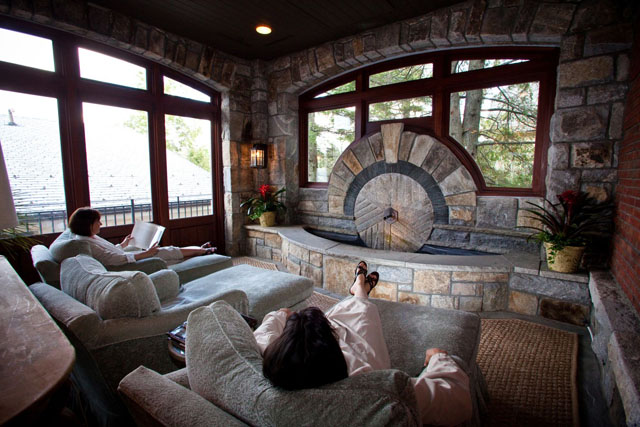
What is it about late summer that makes a new routine so appealing? Maybe it’s the back-to-school energy or the return of structure or the first crisp hint of fall in the morning air? As school schedules settle in, the season naturally invites a shift in rhythm. Unlike the pressure and chaos of January resolutions, this transition inspires change in a way that feels more tangible.
John Baumrucker, MD, medical director of the Community Care Clinic of Highlands-Cashiers, says there is scientific evidence to support this notion. Research suggests that individuals are more likely to initiate and sustain new habits during “temporal landmarks,” including New Year’s, birthdays, the beginning of a school year, or seasonal changes. “The transition from summer to fall often brings more structure and routine, making it easier to establish consistent habits related to sleep, exercise, nutrition, and self-care,” he says.
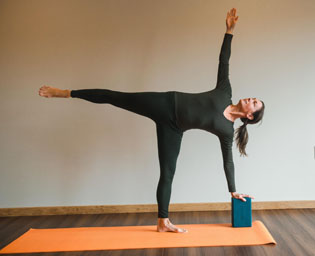
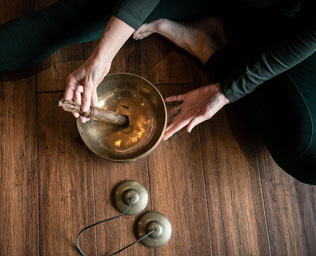
The real challenge is making these changes sustainable, and the most effective starting point is a deliberate step. Rather than overhauling everything at once, incremental shifts tend to create more lasting behavioral change. Major lifestyle changes can overwhelm the nervous system when they require multiple behavioral adjustments at once, often resulting in stress, decision fatigue, and burnout.
“Gradual changes are easier for the brain to adapt to, allowing new habits to become established without triggering the cycle of perfectionism and discouragement that often accompanies drastic resets,” Baumrucker says.
Baumrucker explains that instead of quick-fix changes, a sustainable lifestyle reset focuses on realistic, flexible habits that can be maintained over the long term. “Successful resets prioritize consistency over perfection, build on existing routines and are motivated by improved health and well-being rather than external expectations or short-term appearances.”
“A performative reset often focuses on appearances, rigid rules, or unrealistic expectations. A sustainable reset focuses on creating a healthier daily rhythm that supports physical and mental well-being over the long term.”
In his field of family medicine, Baumrucker says the most successful lifestyle changes are rarely the most dramatic ones. “They are the small, repeatable actions that become part of a person's normal routine and continue long after the excitement of a ‘fresh start’ has faded.”
The “Shoulder Season Reset” Toolkit
The key to a successful reset is resisting the urge to reinvent your life overnight. Instead, think of fall as a recalibration, a season for adding structure back in while leaving perfection out.
Incorporate Movement
This season is often better suited for gentler consistency: hikes, yoga or shorter strength sessions that feel sustainable rather than draining. A walk after dinner, a Saturday trail hike, or simply stretching outside can help anchor the nervous system as routines re-form.
Find a Food Rhythm, Not Restriction
Meal planning becomes less about restriction and more about rhythm: regular meal timing, simple grocery staples and seasonal foods that feel grounding and nourishing.
Ashby Underwood, owner of Yoga Highlands Studio, believes sustainable resets begin with reconnecting to food in a more meaningful way. “We can have a multivitamin (performative), or we can carve out time in the week to go to a local farmer's market and talk with the growers,” she says. “This connection is the asset that bolsters a healthy reset.”
Amp Up Sleep
The early darkness of fall naturally supports better sleep cues, making this an ideal season to rebuild evening routines. Experts recommend creating simple bookend habits at the start and end of the day. In the morning, think of intentional, grounded rituals that set the tone for the day. At night, try dimming the lights earlier, limiting screen time, reading, or stretching. Underwood recommends self-massage with sesame or coconut oil during seasonal transitions, which she says can help improve sleep quality by calming the nervous system.
Refresh Work Routines
After scattered summer schedules, many people benefit from rebuilding focus gradually. Try reinstating small structures like dedicated focus blocks, fewer unnecessary meetings, or realistic daily priorities. “Sustainable momentum is an acquired taste,” Underwood says. “Culturally, we are tuned to quick fixes and instant gratification; however, once a person realizes a new level of support through a gentle routine… that new sense of willpower is an anchor of good energy and steady dopamine that lasts throughout the day.”
This idea extends beyond daily habits into the environments we choose to move through.
The Getaway Reset
Sometimes the most effective reset is simply a change of scenery. Luke Callaghan, general manager of High Hampton, says that connection to nature can naturally alter behavior. “All of a sudden, your shoulders drop a little, your jaw relaxes, and you feel revitalized,” he says. “A change of environment reinvigorates us, and that change can be a great reminder of good habits to take with you when you return to your normal day-to-day.”
He describes life as fast-paced and full of competing demands, noting that slowing down intentionally can have a meaningful impact. When people make space for rest, he says, they often recognize its value and are less likely to let it slip away. Over time, routines that consistently create calm tend to become nonnegotiable.
That influence extends beyond the landscape itself. Branden Fein, executive director of Spa & Wellness at The Spa by Old Edwards, says people often underestimate how much their surroundings shape their mood and behavior. Lighting, temperature, sound, and even scent can subtly encourage the body to relax or slow down. Seasonal adjustments, from cooler spaces to calming herbal teas, can create cues that support restoration without requiring dramatic effort.
Taken together, these environmental cues suggest that late summer’s real invitation is not discipline but more of a return to structure and a steadier pace.